Ordering the wrong size door is one of the most common and expensive mistakes a homeowner can make during a renovation. While modern UK homes typically follow standard dimensions, older properties often hide bespoke surprises that can ruin your project timeline. This guide acts as your technical mentor to ensure you measure once and fit perfectly.
UK Standard Internal Door Size Chart
Most internal doors in the UK come in a few "standard" heights and widths. We have broken these down so you can match your frame to our Internal Door collections with total confidence.
|
Imperial Size (ft/in) |
Metric Equivalent (mm) |
Common Usage |
|
24" x 78" |
610 x 1981 mm |
Small cupboards or narrow en-suites |
|
27" x 78" |
686 x 1981 mm |
Restricted wall spaces or older cottages |
|
30" x 78" |
762 x 1981 mm |
The UK Standard for most rooms |
|
33" x 78" |
838 x 1981 mm |
Accessible "Part M" wheelchair widths |
The Regional Split: Mainland UK vs. Northern Ireland
While most of the UK follows a predictable pattern, Northern Ireland’s door market often reflects a blend of traditional imperial standards and modern metric influence. If you are working on a project in Belfast or Derry, you will find that "standard" can mean something slightly different than in London or Manchester.
- Height Consistency: Much like England and Wales, most residential properties in Northern Ireland utilise the standard 1981mm (6'6") height for internal doors.
- The Metric Shift: In newer Northern Irish developments, there is a growing trend toward 2040mm metric doors which match the "lofty" feel popular in modern European design.
- Common Widths: While the 762mm (30") door remains the "all-rounder" across the Irish Sea, you may frequently encounter 686mm (27") doors in traditional terraced homes.
- Thickness Matters: Always check your door's thickness; standard doors are typically 35mm, but many premium ranges and metric doors come in a sturdier 40mm profile.
How to Measure Your Frame Like a Pro

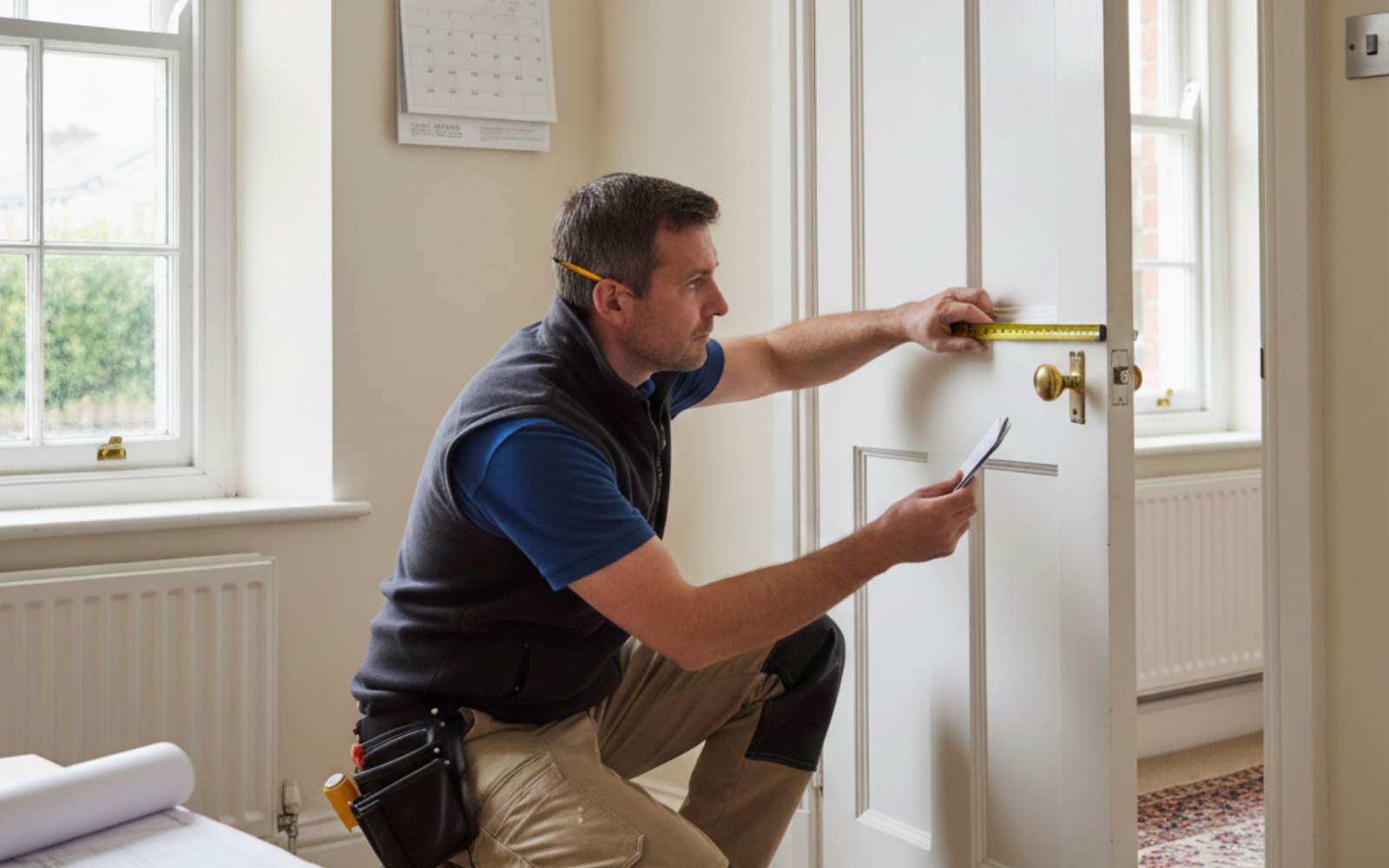
You should never measure the old door itself as it may have warped or been trimmed poorly over time. Instead, grab a steel tape measure and take three vertical and three horizontal measurements from the inside of the door frame.
Use the largest height measurement and the widest width measurement to determine your size. If your frame is slightly "out of plumb" (not perfectly square), you can choose a timber door with a substantial "lipping" that allows for trimming. For example, our Internal Oak Doors often allow for trimming to accommodate wonky walls.
Technical Tip: The "Rule of Threes"
Always check the depth of your door casing before you buy. Standard internal doors are usually 35mm thick but Fire Doors are typically 44mm or 54mm. Ensure your frame and your chosen Ironmongery can handle the extra weight and thickness of a fire-rated door before you commit to the purchase.
Next Step: Are you ready to finalise your dimensions or do you need a bespoke size for a unique project? Contact our technical team today to request a quote or get professional advice on choosing the door for your home.